More Than a Transaction: The Vietnamese-American Business Owners Turning Storefronts Into Sanctuaries
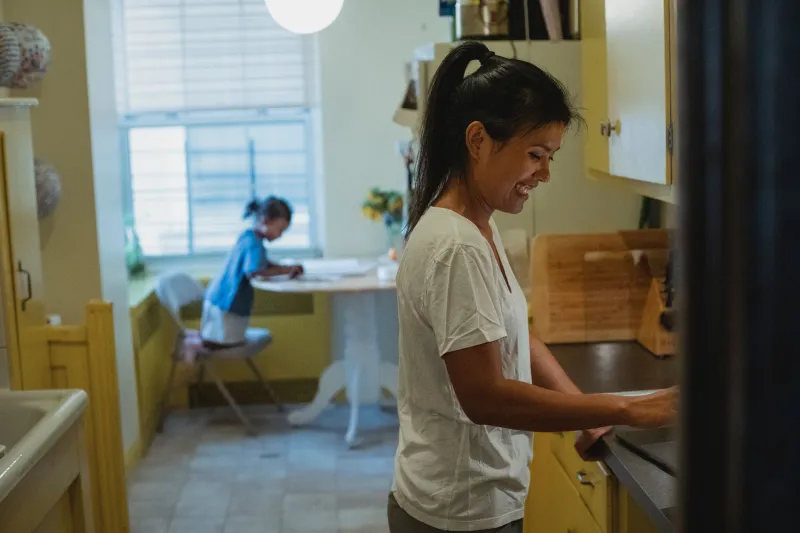
Walk into Hoa's nail salon in Garden Grove on a Tuesday afternoon and you might catch something unexpected between the acetone fumes and the hum of nail drills: a whiteboard covered in Vietnamese vocabulary words. Regulars know that every other week, Hoa Nguyễn sets aside an hour after close for an informal language session — part conversation circle, part cultural check-in — where second-generation Vietnamese-Americans who grew up speaking more English than tiếng Việt can come sit, stumble, and try again.
Hoa doesn't advertise it. She doesn't charge for it either. "My customers keep me in business," she says, matter-of-factly. "So I keep them connected to something bigger."
This is the quiet revolution happening inside Vietnamese-American small businesses across the country. Not flashy. Not venture-backed. Just owners who have decided that their storefronts can hold more than commerce — they can hold community.
When the Shop Becomes the Village
There's a Vietnamese concept — làng, meaning village — that carries a weight no direct English translation quite captures. It's not just a physical place. It's a web of relationships, obligations, shared memory, and mutual care. For generations of Vietnamese immigrants who arrived in the US with almost nothing, rebuilding that web was survival.
In many ways, the small business became the new làng. The restaurant where everyone knew your parents' hometown. The grocery where the aunties caught up on neighborhood news. The hair salon where someone's grandmother felt, for an hour, like she was home.
What's different now is that some owners are doing this intentionally — designing their spaces from the ground up to serve that function, not just stumbling into it.
Minh Trần, who runs a Vietnamese-American bookstore and café in Houston's Midtown, puts it plainly: "I could've opened a regular coffee shop. But I kept asking myself — what does our community actually need? And the answer wasn't just good cà phê."
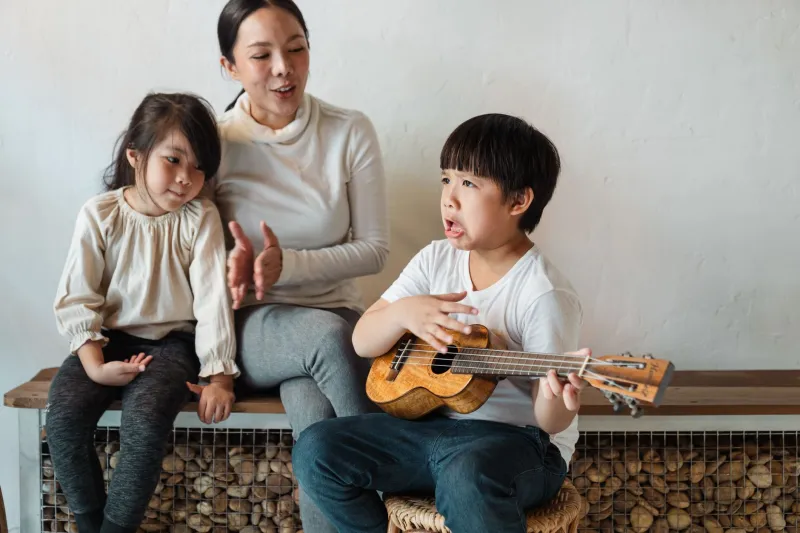
Minh's shop, which opened three years ago, stocks Vietnamese-language titles alongside English translations of Vietnamese literature, hosts monthly storytelling nights where elders share memories of life before and after 1975, and runs a Sunday youth reading hour specifically for kids who are growing up between two languages. The café side keeps the lights on. The programming keeps people coming back for reasons that have nothing to do with caffeine.
The Balance Nobody Talks About
Here's the honest part: running a business as a cultural mission is complicated. Margins in food service are already brutal. Nail salons operate on volume. Bookstores — even beloved ones — are notoriously fragile. Adding programming, free community events, and open-door policies doesn't exactly streamline operations.
"There are months where I wonder if I'm running a nonprofit that accidentally serves food," laughs Linh Phạm, whose family restaurant in San Jose hosts a bimonthly "Bếp Kể Chuyện" — kitchen storytelling — night where guests eat together and a community member shares a personal story about migration, identity, or memory. Tickets are pay-what-you-can.
Linh is quick to say she didn't inherit a blueprint for this. She figured it out by listening. Customers kept lingering after meals, reluctant to leave. Older guests would start telling stories unprompted. Younger Vietnamese-Americans would pull out their phones to record grandparents talking about things they'd never asked about at home. "I realized the restaurant was already doing this work," she says. "I just needed to give it a container."
For entrepreneurs like Linh and Minh, the financial model is a constant balancing act — events that draw foot traffic, loyal regulars who become informal ambassadors, and the occasional grant from cultural preservation funds. None of it is easy. All of it is intentional.
Who These Spaces Are Really For
Ask these business owners who they're building for, and the answers are surprisingly specific.
For some, it's the 1.5 generation — people who came to the US as children, old enough to carry fragments of Vietnamese memory but young enough to have grown up mostly American. People who feel, as one regular at Minh's bookstore described it, "Vietnamese at home and American everywhere else, and not fully either."
For others, it's the third generation — grandchildren of refugees who might not speak a word of Vietnamese but feel a pull toward something they can't quite name. "They come in sometimes and just stand in front of the books," Minh says. "Like they're looking for something they lost before they even had it."
And then there are the elders. The ones who built the first wave of Vietnamese-American communities in the '80s and '90s and who now watch their grandchildren navigate a world that looks nothing like the one they arrived in. Spaces like these give them somewhere to be seen, heard, and valued — not just as customers, but as keepers of something worth keeping.
A Different Kind of ROI
In the startup world, there's a lot of talk about impact metrics. But the return on investment these business owners are chasing doesn't fit neatly into a spreadsheet.
It looks like a teenager who came in for boba and left with a book of Vietnamese poetry — and texted her mom a photo of it. It looks like an elder who cried during a storytelling night because someone finally asked him about his life before the war. It looks like a nail salon regular who signed up for the language class on a whim and now calls her grandmother every Sunday in Vietnamese.
"I can't put a number on that," Hoa says. "But I know it matters."
What these entrepreneurs share isn't a business model — it's a belief. That belonging is a real need. That culture doesn't preserve itself. And that sometimes, the most radical thing a small business can do is decide that its purpose is bigger than its profit margin.
The Làng Lives On
The làng was never just about geography. It was about the choice to show up for each other, repeatedly, in small ways that added up to something lasting. That's exactly what these storefronts are doing — one language class, one storytelling night, one shared meal at a time.
In a country that can make belonging feel like something you have to earn, these spaces are quietly insisting otherwise. Come as you are. Stay as long as you need. There's room here.
And if you want to practice your Vietnamese while you're at it, there's a whiteboard in the back.