The Kitchen Table Rehearsal: What Vietnamese-American Families Bring to a Visa Interview
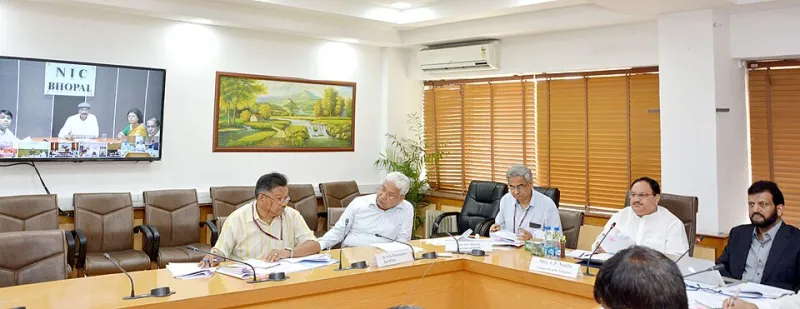
Photo: Ministry of Health and Family Welfare, GODL-India, via Wikimedia Commons
At 8 p.m. on a Wednesday in a Houston suburb, a kitchen table becomes a consulate. A laptop is propped against a fruit bowl. On the screen, a man in his thirties sits in a small room in Vietnam, wearing a white shirt he bought for the occasion. On this side, his sister — the petitioner — holds a list of questions. Their cousin, who went through the same interview four years ago, listens with her arms crossed.
The Rehearsal
What is the purpose of your trip? the sister asks.
To visit my family, he says.
No, the cousin interrupts. Not visit. Immigrate. Say it clearly.
This is the kitchen-table rehearsal, a ritual as common in Vietnamese-American families as the wedding tea ceremony or the Lunar New Year call. The interview at the U.S. consulate may last only a few minutes. The preparation lasts months.
The questions are predictable, but the stakes are not. Who is your petitioner? What does your sister do for work? How will you support yourself? What ties do you have to Vietnam? Have you ever been refused a visa? The family practices the answers until they sound natural, then practices again until they sound honest.
The Folder
By the time the interview arrives, the folder has been assembled, copied, re-copied, and blessed. It contains the I-130 approval notice, the DS-260 confirmation, the birth certificate, the marriage certificate, the police certificate, the medical exam, the I-864 affidavit of support, tax returns, pay stubs, photos, chat logs, and letters from employers.
The folder is a paper version of a family's argument: We are real. We are connected. We can support each other. It is also a reminder of how much of love is administrative. Someone in Houston spent a Saturday at the copy shop. Someone in San Jose notarized a document. Someone in Vietnam paid for a medical exam and a bus ticket to Ho Chi Minh City.
The Waiting Room
The U.S. consulate in Ho Chi Minh City opens early. Families arrive hours before, some from provinces far away. They sit in rows, holding clear plastic folders. The room is quiet in a particular way: not peaceful, but concentrated. People review their papers. They adjust their shirts. They pray.
The officer behind the glass asks questions in English and Vietnamese. The applicant answers. The interview lasts minutes. The applicant walks out with a slip of paper. Sometimes it is an approval. Sometimes it is a request for more documents. Sometimes it is a refusal. The family outside waits for a text message that will tell them which.
What Love Can't Prove
Love can pay for the plane ticket. Love can fill out the forms. Love can rehearse the answers at the kitchen table. But love cannot prove that a brother will not overstay a visa. Love cannot prove that a marriage is real, or that a job offer is genuine, or that a family will not become a public charge. The law asks for evidence, not affection.
This is the hard lesson of the waiting room. The family can do everything right and still hear no. The officer is not cruel. The officer is following a statute. The family knows this. They also know that the statute does not see the kitchen table, the rehearsal, the folder, the prayer.
The Kitchen Table Again
In Houston, the sister waits by the phone. The group chat lights up. A cousin sends a praying hands emoji. An aunt sends a rose. The answer comes. Whatever it is, the kitchen table is still there. The folder is still there. The family will rehearse again.
The waiting room is a theater of hope, and the family rehearses because rehearsal is the only part they can control. The rest is paper, and prayer, and time.